
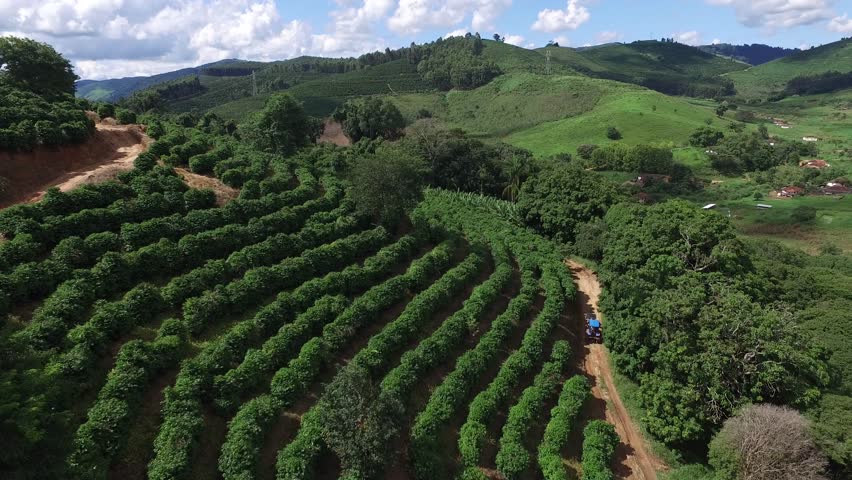
I believe that all of us in some way long for the tropical areas. Everything seems to be so perfect there: life is thriving, colors are vibrant, and many cultures form a relationship to nature in their abundant surroundings. But what is the most imporant thing that is found in this region? Coffee!
The subtropical region is the birthplace of the Coffea plant. This region is otherwise known in the industry as ‘The Coffee Belt’, or the Bean Belt. If we take a look at the Earth-Sun geometry, we can understand why location is very important.
The Coffee Belt surrounds the Earth between two parallels called the Tropic of Cancer and the Tropic of Capricorn. This is located between 23.5˚ N and 23.5˚ S of the equator. This is where the sun appears directly overhead all year long. The general climate allows for a rainy, or wet, season and a dry season. Temperatures are mild and the sun shines for an average of 12 hours, every day for 365 days a year. All of these factors allow the soil to be rich and optimal for growing coffee. Fun fact, some areas that experience volcanic activity around the Ring of Fire have even more nutritious soil due to previous lava flows.
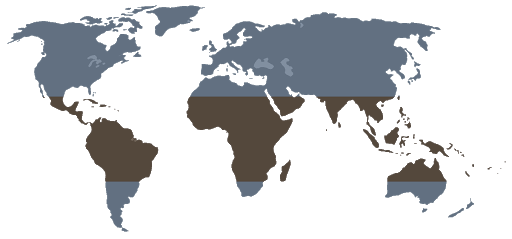
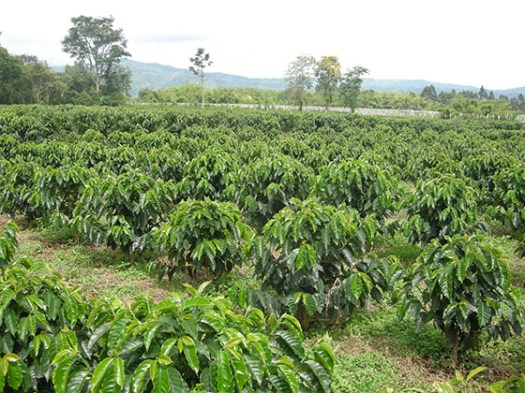
The geography for growing coffee usually is Northern Africa, Southeast Asia, the Middle East, and Central and South America. However, in North America, there are some coffee plantations established in California, Hawaii, and the country of Puerto Rico. Despite all the similar elements necessary for coffee to grow, certain variations can contribute to the unique flavor of each individual batch. Some factors include the components of the soil due to its particular terrain, the amount of rainfall and moisture, and most importantly, the altitude. Many people will find themselves preferring coffees from specific countries because of how the origin may affect the flavor profile. This is why you may see origin labels such as ‘Ethiopia’, ‘Sumatra’, or ‘Honduras’ on your bean bags.
I hope you enjoyed learning about the geography where coffee is grown!
Until our next coffee adventure!
 Café Palumbo